


In our daily lives, we all have the power to make a positive impact on the environment by making small changes to our habits. Protecting the environment is a shared responsibility for everyone. Whether you are a working professional or a student, you might be wondering what you can do during Earth Month but don't know where to start. Here are a few things you can do to help the environment during Earth Month. Let's take action together!
Reduce the Use of Plastic Products

We have all seen the unfortunate marine creatures entangled in plastic straws. We should start with ourselves and leave behind a blue ocean for marine life.
- Reduce the use of disposable plastic straws. Use reusable metal or silicone straws instead.
- Bring bags when going to the supermarket to reduce the use of plastic bags. Use foldable shopping bags or purchase eco-friendly bags.
- Bring your own cup, which is both environmentally friendly and hygienic. Carry your own cup when going out to avoid using disposable cups.
- Choose products made from renewable materials such as bamboo or textiles.
Pick Up Litter
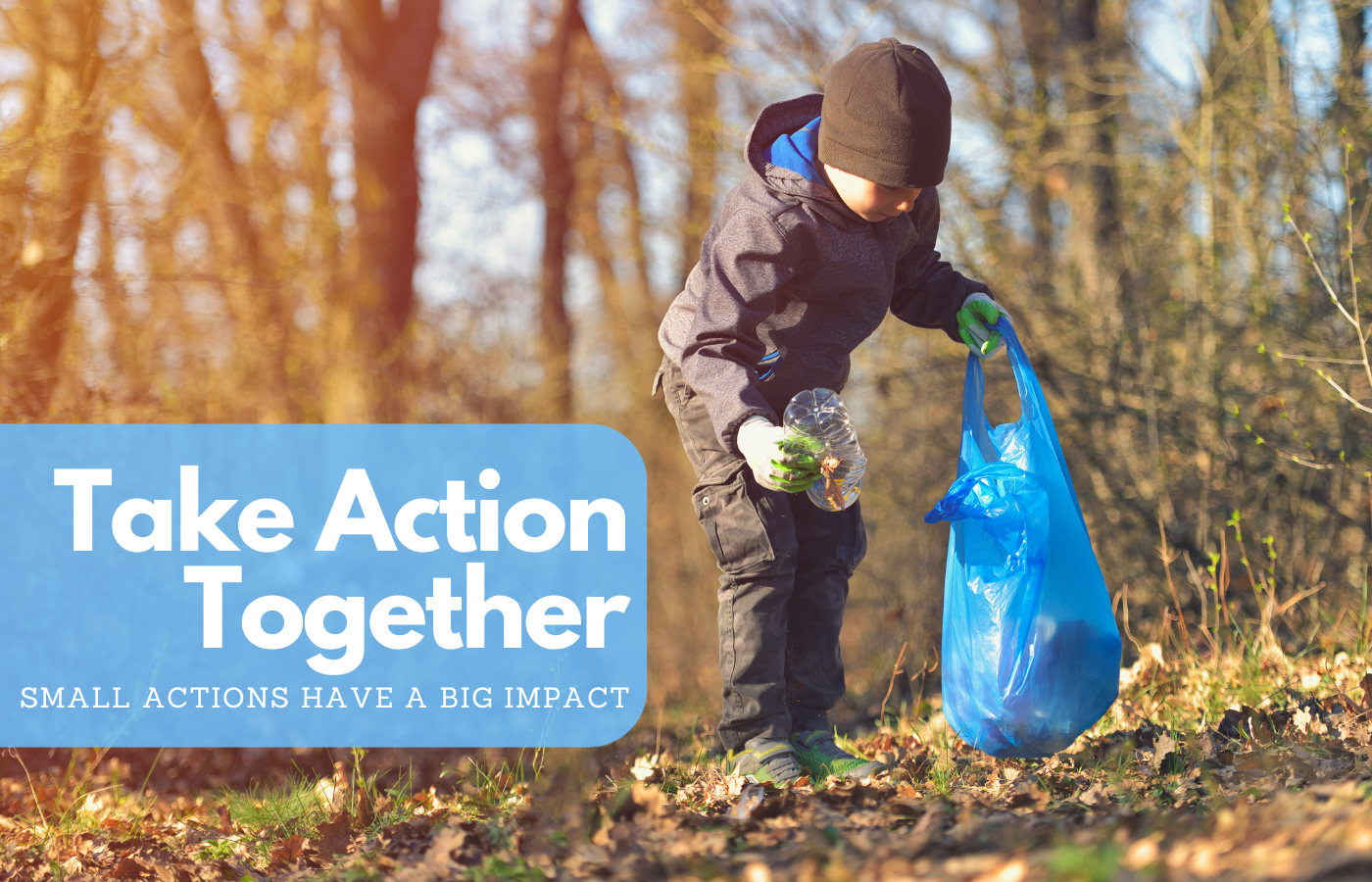
Help roadside litter find its proper place, collect plastic bottles, and recycle them. Most importantly, avoid littering. Returning to nature has become a popular trend in recent years, and we don't want to see waste polluting the pristine environment.
- Pick up litter and dispose of it in designated trash bins when in public places or outdoors.
- Participate in environmental clean-up activities organized by communities or volunteer organizations to create a cleaner environment for the community.
- Encourage people around you to take action together and promote environmental awareness and behavior.
Smart Waste Utilization

By looking at things from a different perspective or making small modifications, waste can be effectively utilized. In our daily lives, we often generate various types of waste, such as plastic bottles, paper, and old clothes. However, these materials don't necessarily have to end up in the trash bin. With some creativity and imagination, we can transform them into useful items or repurpose them into unique works of art.
- Use various packaging boxes for organizing small items and reduce the use of plastic bags.
- DIY old clothes into a blanket with your family, extending the lifespan of clothing.
- Add some paint to old glass bottles and make beautiful vases, adding decoration and practicality.
- Don't dispose of items randomly; try to find recycling facilities or donate them. The second-hand market is also a good option to give items a second life.
Stop Printing
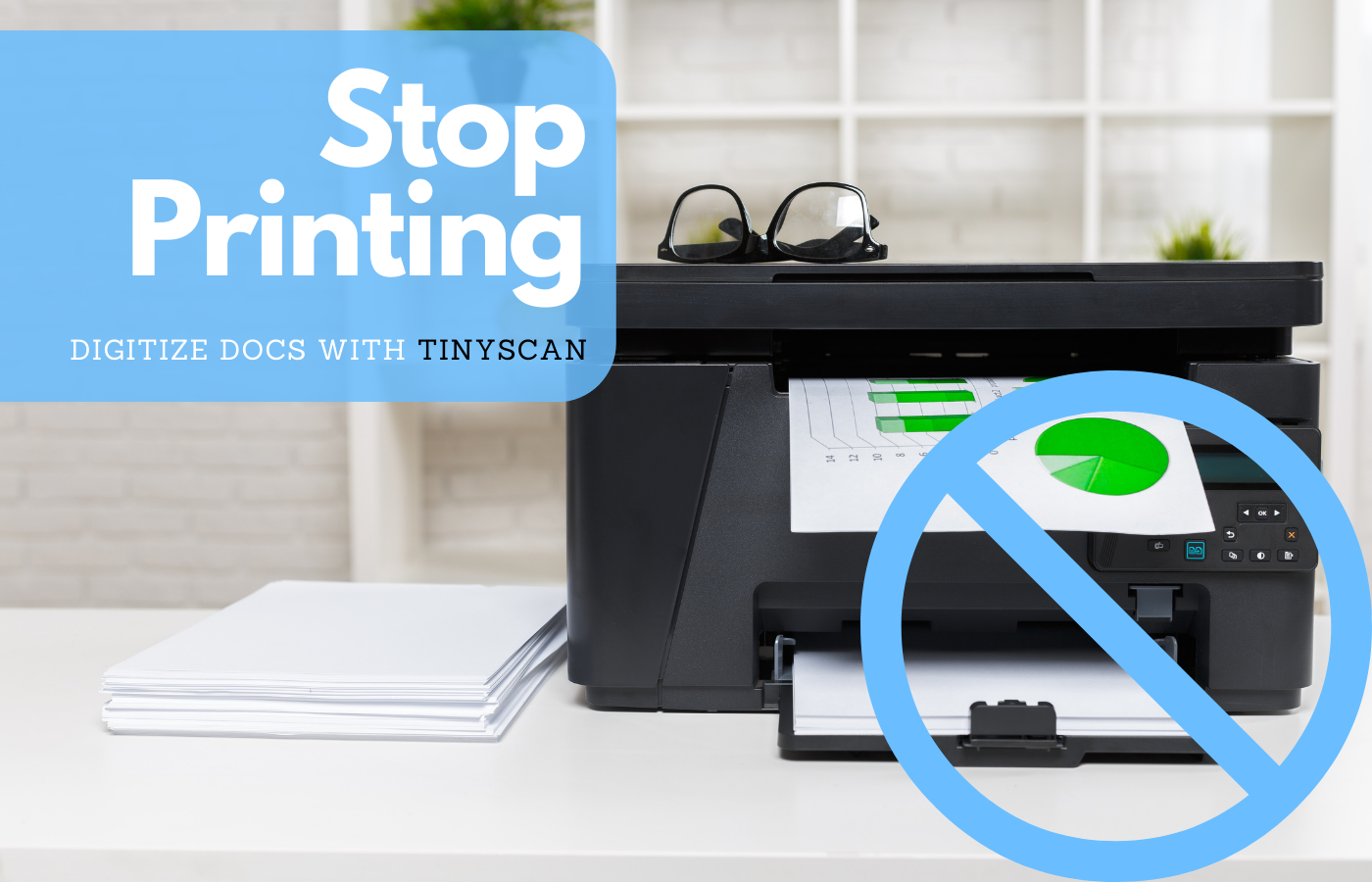
Paper covers various aspects of our lives, from textbooks and exam papers to receipts for daily consumption. Did you know that a medium-sized company can save approximately 100,000 sheets of paper with just one month of paperless office? A year of paperless office can save millions of sheets of paper, which would save around 150,000 to 300,000 trees.
- Use email and online documents for communication and information sharing as much as possible.
- Use e-readers or tablets to read e-books and magazines.
- When printing is necessary, choose double-sided printing and reduce the amount of paper used.
Promote Sustainable Transportation
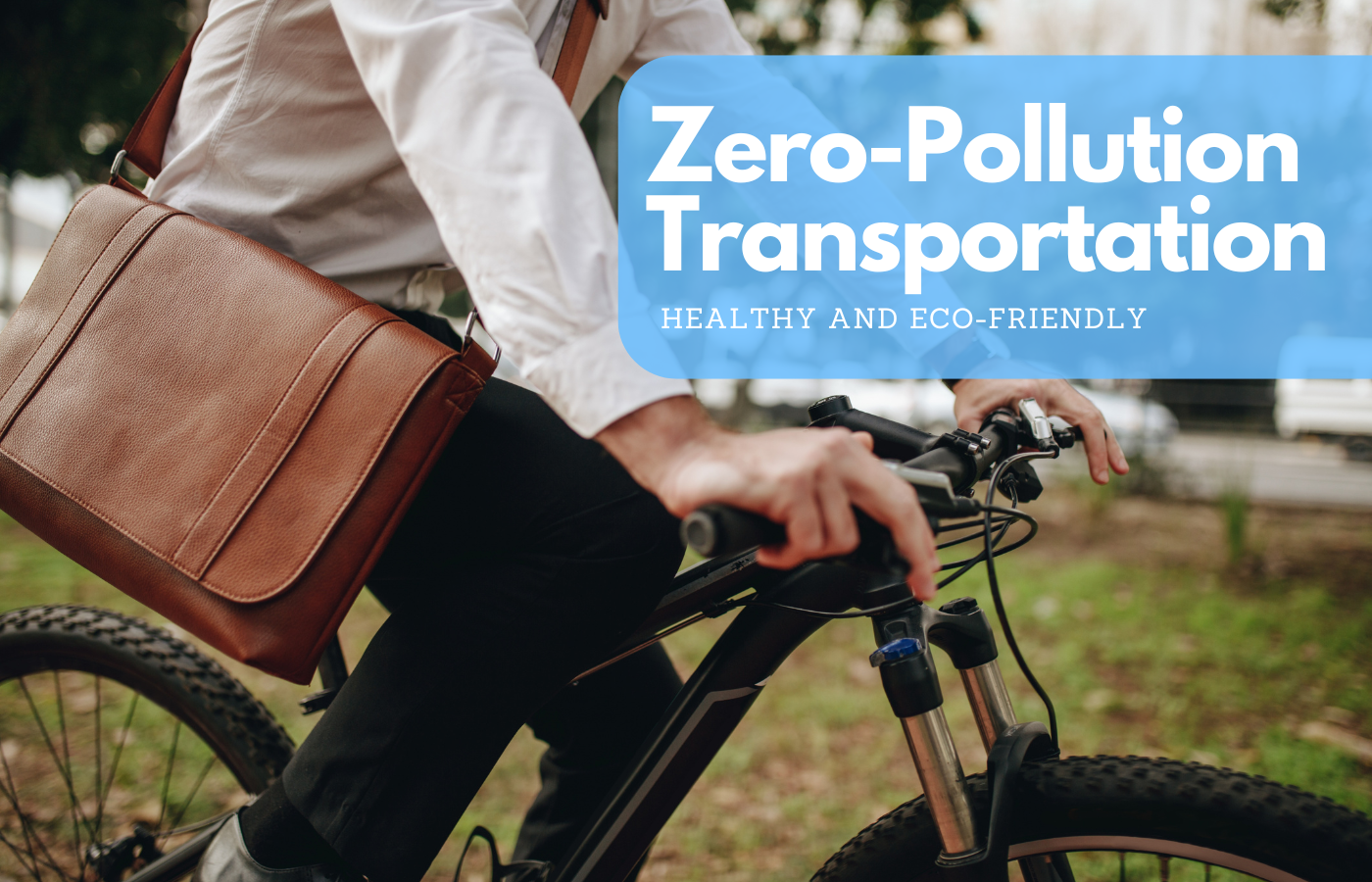
Walk, ride a bicycle, or use public transportation to reduce car emissions.
- Participate in or support the city's bike-sharing programs and electric vehicle sharing programs.
- Organize or participate in eco-themed walking or biking events.
As inhabitants of this earth, it is our collective responsibility to take care of it. By making small changes in our daily lives, we can all contribute towards creating a better and more sustainable future for our planet. Whether it is by reducing our carbon footprint, conserving energy, or adopting eco-friendly habits, every little step counts towards a cleaner and healthier environment. Let's join hands and work towards a greener tomorrow.